
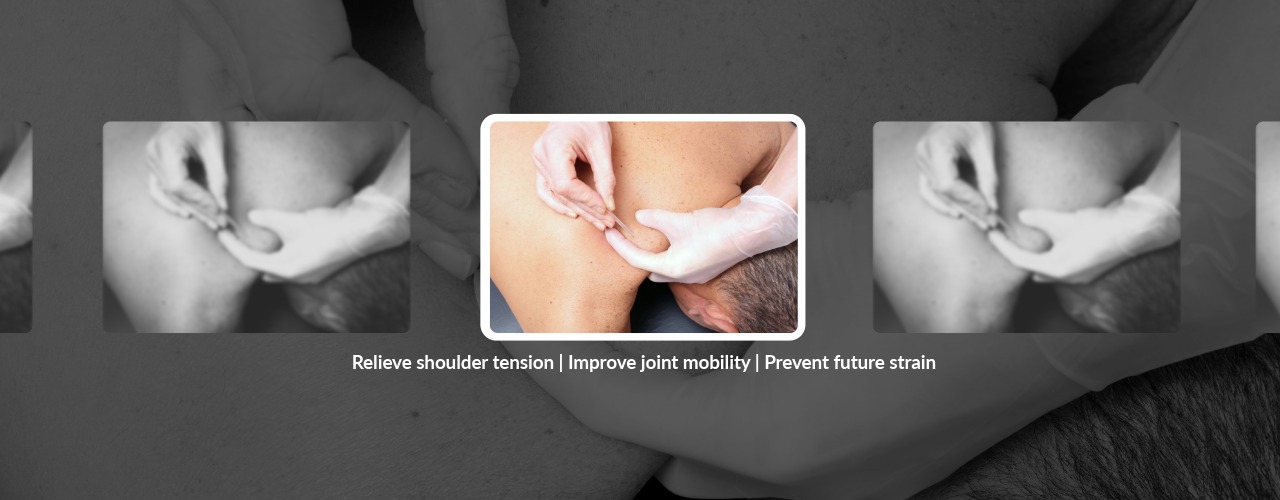

Shoulder pain can limit your movement, disrupt sleep, and make everyday tasks uncomfortable. Whether it results from repetitive motion, poor posture, or a sports-related issue, one effective solution gaining popularity is dry needling for shoulder injury. This technique targets tight or irritated muscles, known as trigger points, and helps reduce pain, improve mobility, and speed up healing.
When integrated into physical therapy, dry needling for shoulder injury supports soft tissue recovery and restores proper movement. Below, you will find seven easy-to-follow strategies that combine dry needling with physical therapy techniques to help you recover safely and effectively.
The Connection Between Muscle Tension and Shoulder Pain
Shoulder injuries often involve overused or strained muscles. Dry needling helps by releasing tension and encouraging proper blood flow and muscle repair. However, dry needling works best as part of a full recovery plan. If you are dealing with shoulder discomfort or recovering from a strain or impingement, the following steps can help you feel better faster.
Seven Key Steps to Support Recovery with Dry Needling for Shoulder Injury
1. Consult a Licensed Physical Therapist Trained in Dry Needling
Start by booking an evaluation with a physical therapist who specializes in dry needling. They will assess your shoulder’s range of motion, strength, and trigger point sensitivity. This ensures dry needling is used safely and in the right areas.
2. Combine Dry Needling with Manual Therapy
Dry needling for shoulder injury is more effective when paired with hands-on care. Your therapist may perform soft tissue mobilization or joint mobilization to reduce stiffness. Together, these techniques can relax overactive muscles and restore natural movement patterns.
3. Follow with Targeted Stretching
After a dry needling session, your muscles may feel looser but vulnerable to reinjury. Gentle stretching of the shoulder, neck, and upper back muscles helps reinforce the release and prevents tightness from returning. Focus on controlled, pain-free stretches as instructed by your therapist.
4. Incorporate Strengthening Exercises
Dry needling reduces pain, but strengthening prevents future injuries. A custom exercise plan builds shoulder stability and helps weak muscles activate properly. Emphasizing the rotator cuff and scapular stabilizers ensures long-term support for the joint.
5. Apply Heat and Hydration Post-Treatment
Following a dry needling session, applying gentle heat can increase circulation and reduce soreness. Drinking water after treatment also helps flush out waste products released from the muscles. These simple actions promote faster recovery and reduce the risk of stiffness.
6. Track Your Symptoms and Progress
Keep a brief log of how your shoulder feels after each session. Note changes in pain level, sleep quality, and function. This information helps your physical therapist adjust your plan to make sure dry needling for shoulder injury is having the desired effect.
7. Focus on Posture and Movement Habits
Poor posture can contribute to recurring shoulder pain. Your therapist can teach you small changes to your daily setup, like adjusting your computer screen or sleeping position. These lifestyle tips support the effects of treatment and prevent muscle strain from returning.
Why Dry Needling Is a Valuable Tool in Physical Therapy
Dry needling works by stimulating a healing response in the body. For patients with stubborn muscle tension, trigger points, or chronic pain, it offers a targeted way to relax tight tissues. Unlike medication or passive treatments, it promotes active recovery by working with your body’s natural healing process.
When used in combination with other physical therapy techniques, dry needling for shoulder injury offers relief without relying on invasive procedures. Patients often report faster improvements in pain, mobility, and function compared to stretching or exercise alone.
Personalized Treatment at Enhanced Family Physio Can Make the Difference
Every shoulder injury is different. That is why the therapists at Enhanced Family Physio create treatment plans based on your goals, lifestyle, and condition. Whether you are a desk worker, athlete, or someone recovering from a fall, our team can help you regain control of your movement and reduce your pain.
Ready to take the next step toward lasting relief? Contact Enhanced Family Physio today to schedule your evaluation and learn how dry needling and physical therapy can support your recovery.




Leave a Reply