
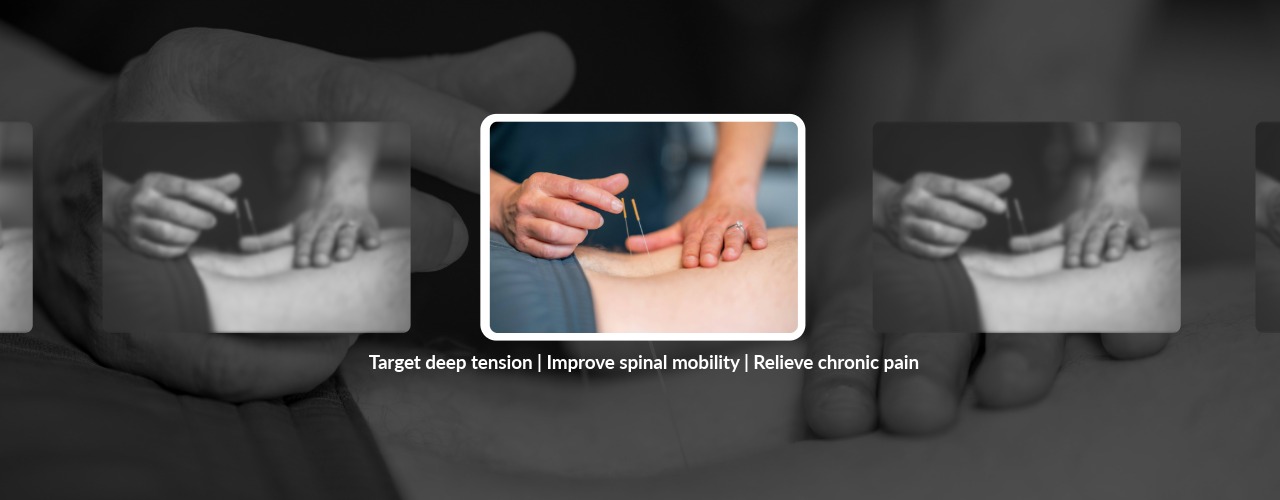

Chronic or recurring back pain can take a major toll on everyday life, limiting how you move, sit, sleep, and work. While many treatment options focus on surface-level muscle tension, others go deeper to target the root causes of discomfort. One of the increasingly popular methods used by physical therapists is dry needling for back pain, a technique that works beneath the skin to reduce muscle knots and restore normal function.
At Enhanced Family Physio, dry needling is one of several evidence-based tools our team uses to support recovery and improve mobility. Whether you’ve tried traditional approaches with limited success or are looking for a new path toward relief, understanding how this technique works can help you decide if it fits your recovery plan.
What Is Dry Needling?
Dry needling is a physical therapy treatment that involves inserting thin, sterile needles into specific muscle areas known as trigger points. These trigger points are tight bands within muscle tissue that may be tender to the touch and can refer pain to other areas. Unlike acupuncture, which is rooted in traditional Chinese medicine, dry needling is based on modern anatomy and neurophysiology.
The term “dry” refers to the fact that no medication or fluid is injected. Instead, the needle itself stimulates the muscle, causing it to contract and then release. This release can reduce pain, increase blood flow, and help the muscle return to its normal resting length.
A Deeper Look at Back Pain and Muscle Dysfunction
Back pain is rarely caused by a single issue. Often, it results from a combination of muscle overuse, joint stiffness, poor posture, or old injuries. Over time, these problems can lead to trigger points or tight muscle bands that restrict movement and contribute to ongoing discomfort.
Muscles in the low back, glutes, and even the upper back can all develop trigger points that affect posture, movement, and alignment. Left untreated, these knots can make it difficult to stand upright, rotate your spine, or perform daily tasks without pain.
Dry needling for back pain directly targets these problem areas. By releasing the tension from within the muscle, the technique helps restore flexibility and decrease referred pain to other regions like the hips or shoulders.
How Physical Therapists Use Dry Needling for Back Pain
At Enhanced Family Physio, our physical therapists use dry needling as part of a larger treatment plan to relieve back pain and improve mobility. After a thorough assessment of your posture, muscle tone, and movement patterns, your therapist will determine whether dry needling is appropriate.
When used for back pain, dry needling may be applied to:
- The lumbar paraspinals, which support the lower spine
- The quadratus lumborum, often tight from prolonged sitting
- The gluteal muscles, which can affect pelvic positioning and low back stability
- The thoracic spine region, if postural strain is contributing to discomfort
Sessions are quick, and most patients report a dull ache or twitch sensation when the needle activates the trigger point. This response is a sign that the muscle is reacting as expected and can lead to noticeable relief within a few sessions.
How Dry Needling for Back Pain Fits into a Full Treatment Plan
While dry needling for back pain can offer fast results, it is most effective when combined with other physical therapy methods. These may include:
- Manual therapy to mobilize the joints and soft tissues
- Targeted exercises to build core strength and spinal stability
- Movement retraining to improve posture and reduce reinjury risk
- Education on ergonomics and daily movement habits
By integrating dry needling into a full care plan, physical therapists can address both the immediate symptoms and the underlying dysfunction that led to the pain in the first place.
Benefits and Reassurance for New Patients
Many people are unsure about trying dry needling due to concerns about pain or safety. The truth is that this technique is highly controlled and performed only by trained professionals. The needles used are extremely thin, and most patients tolerate the process well.
Some of the key benefits include:
- Reduced muscle tension and tightness
- Improved range of motion
- Decreased pain intensity
- Faster recovery after exercise or injury
- Better outcomes when combined with strengthening and mobility work
Dry needling is not a one-size-fits-all solution, but for many people struggling with stubborn back pain, it provides the missing piece in their recovery plan.
Let Enhanced Family Physio Help You Move Forward
If you have been living with persistent or recurring back pain, you deserve a treatment plan that addresses more than just surface symptoms. At Enhanced Family Physio, we provide comprehensive care that includes dry needling for back pain along with other effective physical therapy options tailored to your condition.
Our therapists are committed to helping you move with ease and confidence again. Contact us today to schedule your personalized evaluation and take the next step toward lasting relief.



Leave a Reply